
Screen Printing Compatible with UV Inks! Green Curing Technology Leads the Printing Industry Upgrade
Recently, many printing professionals have inquired about the compatibility of UV inks with screen printing. Industry experts have clearly stated that screen printing can absolutely use UV-cured inks. This combined process, after years of technological iteration, has become the mainstream, efficient, environmentally friendly, and high-precision production solution in the printing industry, widely used in packaging, electronics, building materials, cultural and creative industries, and many other fields, completely revolutionizing the traditional screen printing production model.
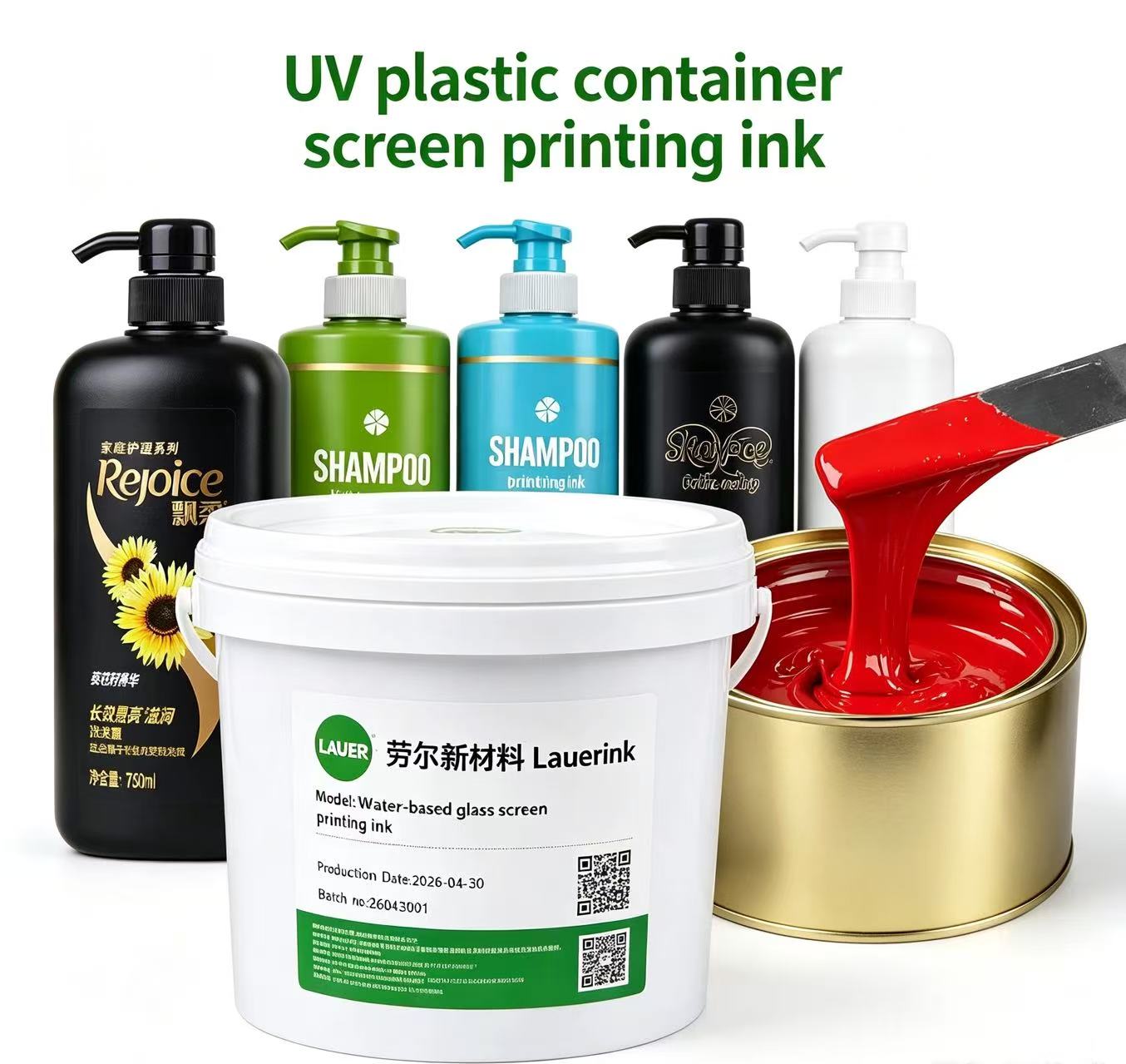
As two mature printing technologies, screen printing and UV inks are highly compatible. Combining them leverages their strengths and compensates for their weaknesses, solving many of the technical pain points of traditional screen printing. Traditional screen printing often uses solvent-based inks, relying on solvent evaporation for drying. This not only results in long curing times and low production efficiency, but also releases large amounts of harmful VOCs during the drying process, polluting the production environment and failing to meet environmental control requirements. Furthermore, the ink coating is prone to problems such as fading, scratches, and poor weather resistance. Specialized UV inks for screen printing, leveraging the instant curing characteristic of ultraviolet light, are perfectly suited to the screen coating and pattern transfer processes of screen printing. They eliminate the need for natural drying and high-temperature drying, significantly optimizing the production process.
According to technical data from the printing industry, UV inks for screen printing possess multiple core advantages and are compatible with all mainstream substrates. These inks are solvent-free, environmentally friendly, and low-pollution, aligning with current industrial green production policies. They cure quickly, drying and setting instantly after exposure to LED-UV light, greatly improving production line efficiency and saving on drying space and time costs. Furthermore, the cured ink film exhibits strong adhesion, high smoothness, and excellent scratch resistance, acid and alkali resistance, aging resistance, and folding resistance. It also boasts high color saturation and accurate pattern detail reproduction, meeting the demands of high-precision printing. In terms of material compatibility, they can be widely used on various flat materials such as PVC, PET, ABS, acrylic, glass, ceramics, metal, paper, and cardboard, covering multiple scenarios including electronic circuit board printing, product packaging printing, building material decoration printing, cultural and creative product printing, and signage production. Currently, UV screen printing ink technology has achieved large-scale application and has become a core direction for industry upgrading. In the electronics industry, this technology is used for high-precision pattern printing on PCB circuit boards, producing clear, wear-resistant, and colorfast patterns, ensuring the stability and durability of electronic products. In the packaging industry, it is used for color screen printing, hot stamping, and spot varnishing on cosmetics, food, and tobacco and alcohol gift boxes, enhancing the texture and grade of packaging. In the building materials and home furnishing industry, it is applied to decorative printing on glass, tiles, and metal sheets, offering strong weather resistance and suitability for outdoor use. In the cultural and creative and light industrial sectors, it enables refined printing on various personalized products, meeting diverse market demands.
Industry analysts indicate that with increasingly stringent environmental regulations and rising requirements for printing quality and production efficiency in downstream markets, traditional solvent-based screen printing inks are gradually being phased out, and the combination of screen printing and UV-cured inks has become an industry necessity. Compared to traditional processes, its core advantages—low energy consumption, zero VOC emissions, high efficiency, and high quality—align perfectly with the green, refined, and intelligent development trends of the printing industry. In the future, it will continue to replace traditional screen printing processes and penetrate more niche application areas.
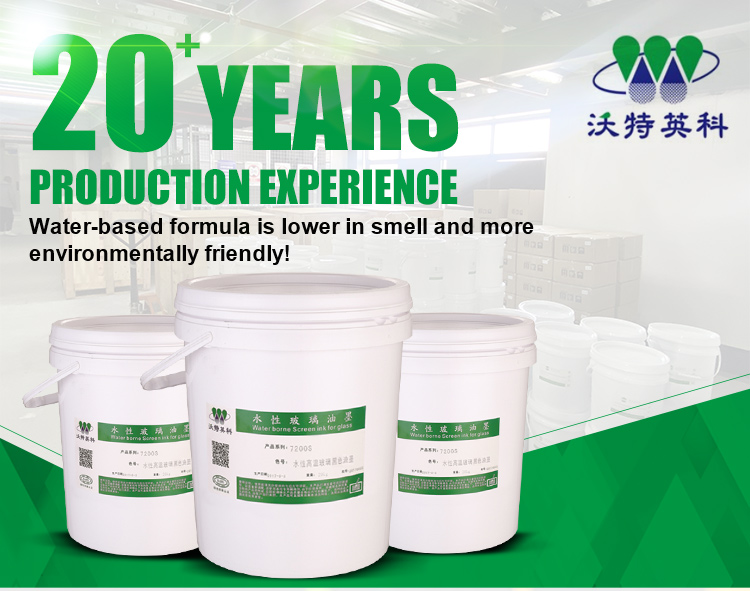
Regarding practical issues of concern to industry professionals, technicians added that when using screen printing with UV inks, simply matching a dedicated LED-UV curing equipment, using a suitable screen with the corresponding mesh size, and controlling the ink coating thickness and UV irradiation intensity are sufficient to achieve stable mass production. Currently, several screen printing-specific UV inks, transparent base coats, and matte/gloss coats are available on the market, suitable for both large-scale industrial mass production and small-batch customized production. The technological threshold continues to decrease, and the scope of application continues to expand.
In the future, with continuous optimization of UV ink formulations and upgrades to curing equipment, screen UV printing technology will achieve new breakthroughs in high-precision customization, functional printing, and green mass production, becoming a core driving force for the transformation and upgrading of the printing industry.